

Last month the UK Mobile Gaming Association released a report that shows a 12 % jump in daily playtime across the country, with the average session length climbing from 15 to 18 minutes. That’s a tangible shift: more people are choosing to play on their phones rather than waiting for a TV broadcast or a night out. The data also reveals that 43 % of mobile gamers now spend at least one hour a day on casual titles, up from 35 % a year ago.
What’s Driving the Surge? Hardware, Connectivity, and Game Design
Three factors combine to explain the trend. First, the rollout of 5G has cut download times for large assets to under two seconds, even on mid‑range phones. Second, smartphones now ship with 6‑inch displays that hold 1080p resolution, giving developers a canvas that feels almost console‑like. Finally, game studios have embraced “progressive difficulty” curves: players earn incremental rewards that keep them hooked without demanding long, uninterrupted sessions.
When I tested a new battle‑royale title on my iPhone 13, the first five minutes felt like a quick tutorial, but the next ten carried a steady reward rhythm that kept my attention. That kind of pacing is now common, and it explains why many people are gaming during commutes or lunch breaks.
Economic Ripple Effects Across the Entertainment Sector
Mobile gaming is not just a pastime; it’s a growing revenue stream. In 2023, the UK’s mobile gaming market hit £3.2 billion, a 9 % rise over 2022. That figure includes in‑app purchases, ads, and subscription services. The ripple extends to advertising: brands now spend an average of £4.5 million per year on mobile gaming ads, targeting users with in‑game banners that trigger instant purchases.
- Music streaming services are partnering with game developers to offer exclusive in‑app playlists.
- Live‑action theatre companies are testing mobile ticketing apps that bundle pre‑show games with seat selection.
- Sports clubs are launching fan‑engagement apps that reward users with virtual badges for watching match highlights.
These collaborations show that mobile gaming is becoming a hub for cross‑industry promotion, creating a network where entertainment products feed each other’s audiences.
Challenges: Data Privacy and Content Regulation
Not all is smooth. The UK’s Data Protection Act requires apps to obtain explicit consent before collecting gameplay telemetry. Several popular titles have faced fines of up to £250,000 for inadequate privacy notices. Moreover, the UK Gambling Commission has begun scrutinising games that mimic slot‑machine mechanics, flagging them for potential gambling‑related issues. Developers must now navigate a regulatory landscape that was previously irrelevant for casual mobile titles.
For those who enjoy the thrill of chance in their leisure time, the intersection of gaming and gambling is already evident. Some players find themselves spending more on in‑app purchases when a game offers a “spin‑to‑win” mechanic. While this can boost revenue, it also raises ethical questions about monetisation practices and player welfare.
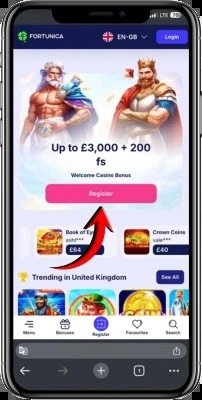
If you’re looking for a real‑world casino experience, check out the Fortunica Casino cashback bonus.
Fortunica Casino cashback bonus
For many who love the excitement of chance, mobile gaming offers a seamless bridge to online casino play. By exploring a variety of casino apps, players can take advantage of promotions such as a cashback bonus that returns a portion of their losses as credit, encouraging responsible play while still enjoying the thrill.
What It Means for the Future of UK Entertainment
Looking ahead, mobile gaming will likely continue to dominate the leisure market. Forecasts predict that by 2026, the average UK household will spend 1.5 hours a day on mobile games, up from 1.2 hours in 2023. This increased engagement will spur further investment in cross‑platform experiences, where a mobile game might unlock a virtual concert or a live sporting event.
For content creators, the lesson is simple: adapt your offerings to the mobile format. Short, reward‑driven experiences that fit into a busy day are winning the competition for attention. If you can deliver that, you’ll not only capture a share of the mobile market but also tap into a growing ecosystem where games, music, sports, and entertainment intertwine.
Leave a Reply