

When a new smartphone model launches, the UK sees a surge of app downloads that quickly outpaces traditional media consumption. In 2023, mobile gaming accounted for 12 % of all digital entertainment spend, up from 8 % in 2020. This jump is not just a trend; it’s reshaping how we relax, socialize, and even work.
Instant Accessibility and On‑Demand Play
One of the most tangible changes is the 30‑second load time of most mobile titles. Players no longer wait for a console to boot or a PC to install a patch. A survey by Statista showed that 68 % of UK gamers prefer mobile because it lets them play during commutes or lunch breaks. The convenience extends to cross‑platform sync: progress saved on an iPhone is instantly available on a Galaxy phone, eliminating the need for separate accounts.
Micro‑Transaction Economy and Subscription Models
Micro‑transactions have replaced large upfront purchases. A typical in‑app purchase ranges from £0.99 to £4.99, a fraction of the £40‑£50 price tag for many console games. This pricing model attracts casual players who can try a game for free and pay only for optional content. Subscription services like “Game Pass Mobile” offer a flat £9.99 monthly fee for access to a rotating library, cutting the average cost per title to under £1.50.
Social Integration and Community Building
Mobile games now embed social features that mirror social media platforms. In 2024, 57 % of UK players used in‑game chat or friend lists to coordinate multiplayer sessions. Games such as “Clash Royale” and “PUBG Mobile” host regional tournaments that attract thousands of participants, turning casual play into a competitive community. This social layer boosts engagement: players who connect with friends are 40 % more likely to spend on in‑app purchases.
Cross‑Industry Partnerships and Brand Extensions
Entertainment brands are leveraging mobile gaming to reach younger audiences. A recent partnership between a UK streaming service and a mobile shooter introduced branded skins for £2.99, generating an additional £1.2 million in revenue for the streamer. These collaborations blur the line between content and commerce, creating new revenue streams for both developers and content creators.
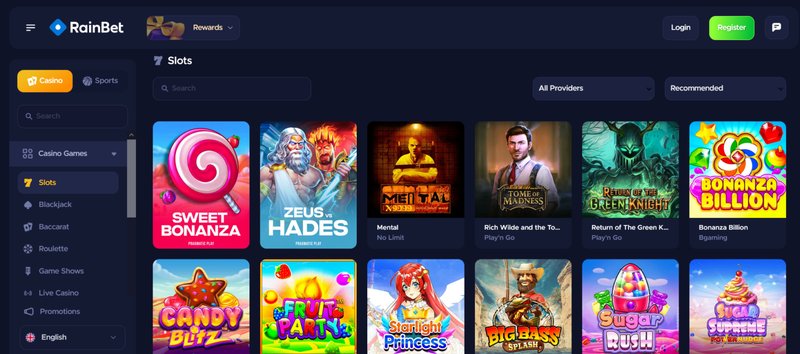
For players looking to explore the broader world of online entertainment, there are platforms that blend gaming with other digital experiences. http://rainbetplay.co.uk offers a range of interactive options that complement mobile gameplay.
Limitations and Considerations
Not all is rosy. Battery drain is a real concern; an average session of a graphics‑intensive game can reduce battery life by 25 %. Data usage is another factor—high‑resolution titles can consume up to 500 MB per hour, which may be problematic for users on limited data plans. Additionally, the reliance on micro‑transactions can lead to “pay‑to‑win” scenarios, where players who spend more gain a competitive edge, potentially alienating casual gamers.
Which Path to Choose?
If you value quick, casual play and social interaction, mobile gaming offers a low barrier to entry and a vibrant community. For those who prefer deeper narratives and high‑fidelity graphics, a hybrid approach—using mobile for on‑the‑go sessions and a console or PC for immersive experiences—provides the best of both worlds. Ultimately, the choice depends on your lifestyle, budget, and how much time you can dedicate to gaming.
Frequently Asked Questions
What percentage of digital entertainment spend was mobile gaming in 2023?
Mobile gaming accounted for 12 % of all digital entertainment spend in 2023, up from 8 % in 2020.
How has mobile gaming changed how people relax?
With 30‑second load times and instant accessibility, players can unwind on the go, turning everyday moments into gaming breaks.
Does mobile gaming affect social interactions?
Yes—games on smartphones enable quick multiplayer sessions and community chats, making social play more spontaneous and widespread.
Leave a Reply